

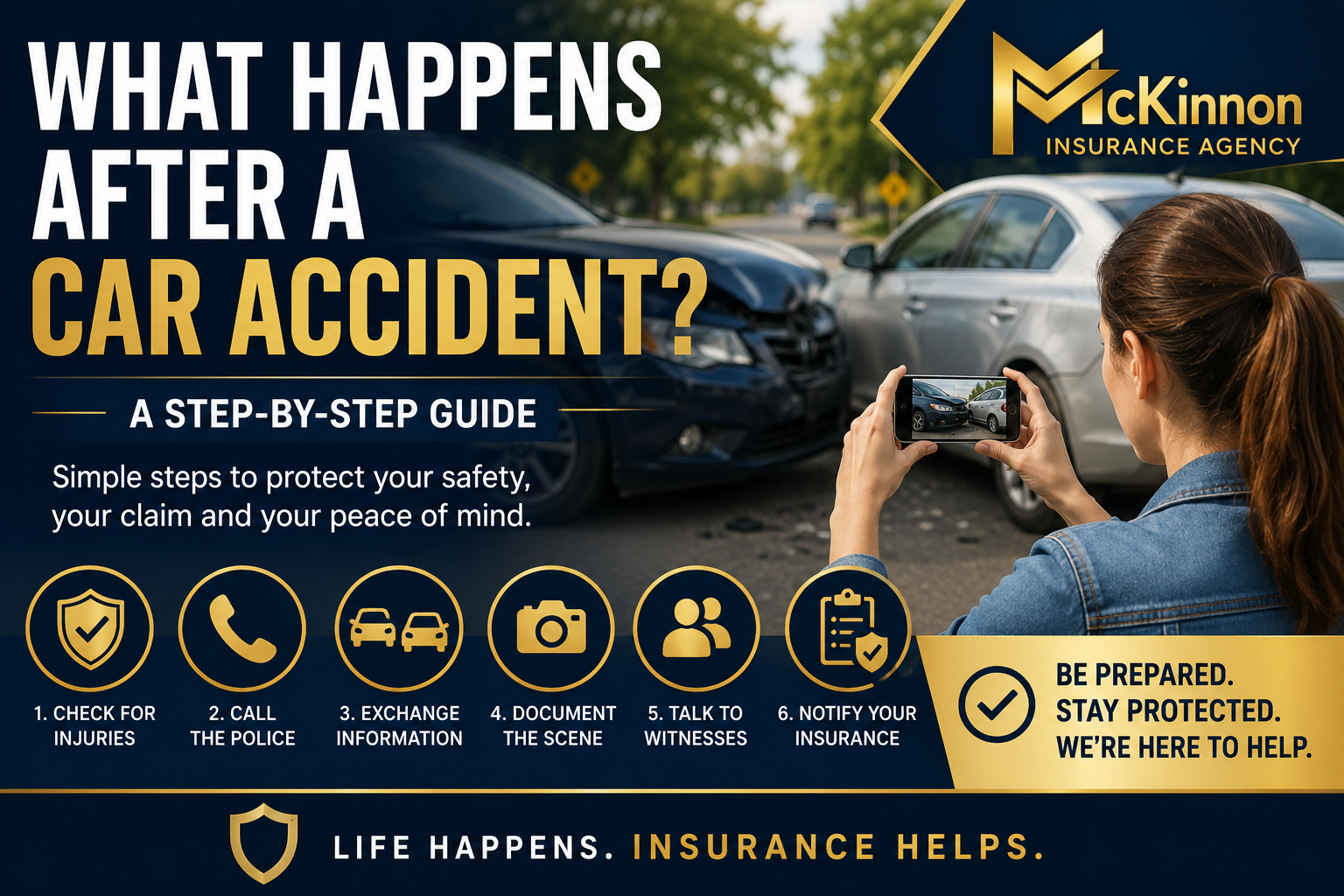
A car accident can happen in a matter of seconds, but the decisions you make immediately afterward can have a lasting impact.
Whether it’s a minor fender bender in a parking lot or a more serious collision, it’s easy to feel overwhelmed and unsure of what to do next.
Knowing the right steps to take can help protect your health, preserve important evidence, and make the insurance claims process much smoother.
If you’ve ever wondered what to do after a car accident, here’s a step-by-step guide to help you navigate the situation with confidence.
Check for Injuries First
Your safety—and the safety of everyone involved—should always be your first priority.
If anyone is injured:
- Call 911 immediately.
- Request medical assistance.
- Avoid moving anyone who appears seriously injured unless they’re in immediate danger.
Even if injuries seem minor, remember that some symptoms may not appear until hours or even days after an accident.
Move to a Safe Location
If the accident is minor and your vehicle can be moved safely, pull off the roadway to reduce the risk of another collision.
Turn on your hazard lights and remain alert to surrounding traffic.
If your vehicle isn’t safe to drive, leave it where it is and wait for emergency responders.
Call the Police
Even when the damage appears minor, it’s often a good idea to contact local law enforcement.
A police report provides an official record of the accident and can be helpful during the insurance claims process.
In many situations, having documentation from the responding officer helps establish what happened and reduces disagreements between drivers.
Exchange Information
Be sure to exchange the following information with the other driver:
- Name
- Address
- Phone number
- Driver’s license number
- Insurance company
- Policy number
- Vehicle make and model
- License plate number
Remain calm and avoid discussing who was at fault.
Simply exchange information and allow the insurance companies to investigate the accident.
Take Plenty of Photos
Your smartphone can become one of your most valuable tools after an accident.
Take pictures of:
- Vehicle damage
- License plates
- The accident scene
- Road conditions
- Traffic signs
- Skid marks
- Debris
- Visible injuries (if appropriate)
The more documentation you have, the easier it can be to explain what happened.
Talk to Witnesses
If anyone saw the accident, politely ask for:
- Their name
- Phone number
- Email address
Independent witnesses can sometimes provide valuable information if there are conflicting accounts of the accident.
Notify Your Insurance Company
Even if you’re unsure whether you’ll file a claim, it’s generally a good idea to notify your insurance company that an accident occurred.
Providing accurate information early helps your insurance company begin investigating the claim and answer any questions you may have throughout the process.
If the other driver doesn’t have insurance, our article What Happens If Someone Hits Me Without Insurance? explains what you can expect and the options that may be available.
Should You File a Claim?
Not every accident results in a claim.
Some drivers choose to pay for very minor damage out of pocket, while others rely on their insurance coverage.
The right decision depends on the amount of damage, your deductible, and your personal situation.
If you’re still deciding whether a higher deductible makes sense for your budget, our article Should I Raise My Deductible? explains the advantages and disadvantages.
Understanding the Claims Process
After reporting the accident, your insurance company will typically:
- Review the accident details.
- Investigate what happened.
- Inspect the vehicle damage.
- Determine coverage.
- Coordinate repairs or payment.
Every claim is different, but providing complete information from the beginning often helps the process move more smoothly.
Review Your Coverage Before the Next Accident
Many people don’t think about their insurance until they need it.
An accident is often a reminder that it’s worth reviewing your policy to make sure your coverage still matches your needs.
If you’re unsure whether you have enough protection, our article How Much Auto Insurance Do I Need? explains how to choose coverage that fits your situation—not just the minimum required by law.
Understanding the difference between physical damage coverages is also important. Our article Collision vs. Comprehensive Coverage explains when each type of coverage applies and why both can play an important role in protecting your vehicle.
Keep an Emergency Kit in Your Vehicle
While no one expects to be involved in an accident, being prepared can make a stressful situation much easier.
Consider keeping these items in your vehicle:
- Flashlight
- First-aid kit
- Phone charger
- Pen and notepad
- Emergency contact information
- Reflective triangles or flares
- Bottled water
A little preparation today can make a big difference tomorrow.
The Bottom Line
A car accident can be stressful, but knowing what to do immediately afterward can help protect both your safety and your financial well-being.
By staying calm, documenting the accident, and understanding your insurance, you’ll be better prepared if the unexpected happens.
If you’d like to review your current auto insurance coverage before you ever need to use it, the team at McKinnon Insurance is here to help.
Whether you’re looking for better protection, competitive rates, or simply answers to your questions, we’re committed to helping Ohio drivers make informed insurance decisions.
Learn more about our Auto Insurance solutions here.
External Resources
According to the National Highway Traffic Safety Administration (NHTSA), remaining calm, checking for injuries, and documenting the accident scene are among the most important steps drivers should take after a crash.
The National Association of Insurance Commissioners (NAIC) also recommends reviewing your insurance coverage regularly so you understand your protection before an accident occurs.


